


Description
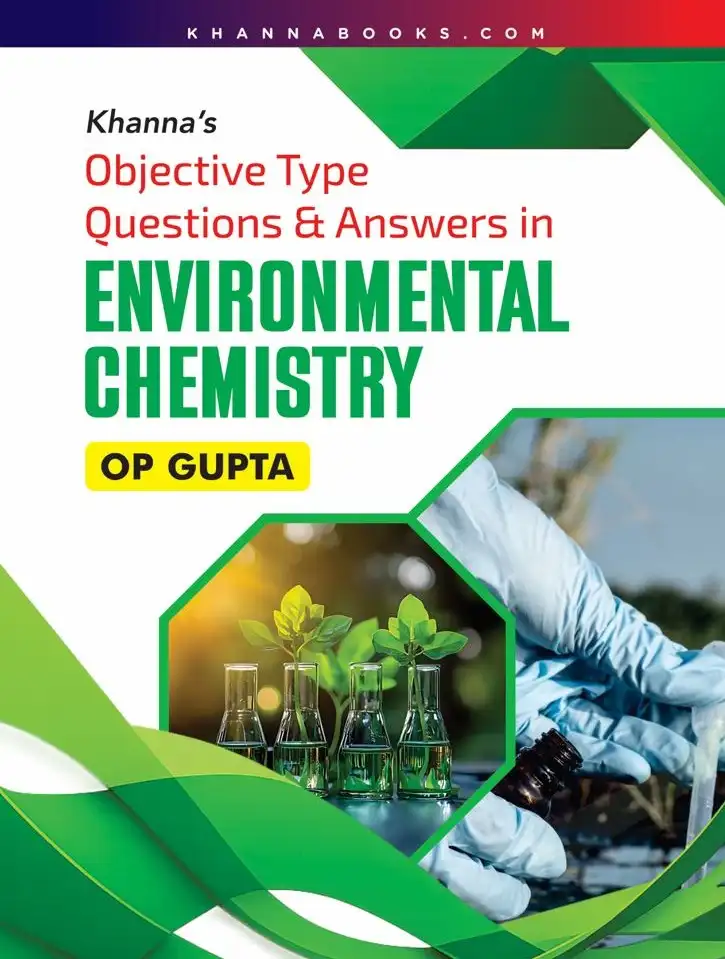
Objective Type Questions and Answers in Environmental Studies by Om Prakash Gupta is a meticulously structured academic guide designed to simplify the complexities of environmental science. This comprehensive resource serves as a vital tool for students and professionals navigating the interdisciplinary nature of ecology, pollution control, and sustainable development. By blending fundamental concepts with a rigorous examination framework, the book provides readers with the clarity needed to understand human-environment interactions and the critical challenges facing our planet today.
The book’s primary objective is to foster environmental consciousness and ethics through a diverse range of assessment styles. It is specifically tailored to meet the curricular requirements of degree, postgraduate, and diploma students across various engineering branches. Additionally, it serves as an essential reference for candidates preparing for professional associate membership examinations, such as AMIE, AMIIM, and AMIIChE, as well as B.Sc. and M.Sc. students. With its systematic approach and practical focus, the book bridges the gap between academic theory and real-world environmental management.
Salient Features
• Dual-Section Assessment Model: The text is strategically divided into objective-type questions and short-answer formats to cater to different examination patterns and learning styles.
• Multidisciplinary Scope: It covers a wide range of topics, including ecology, ecosystem dynamics, biodiversity, and the socio-economic impacts of industrialization and urbanization.
• Sustainable Development Focus: A significant emphasis is placed on sustainable practices, exploring the balance between economic growth and the preservation of natural resources for future generations.
• Environmental Impact Tools: The book provides detailed insights into critical regulatory and assessment tools, such as Environmental Impact Assessment (EIA), essential for modern engineering and policy-making.
• Biodiversity and Conservation: Readers gain an in-depth understanding of genetic, species, and ecosystem diversity, alongside the legislative frameworks designed for wildlife and forest protection.
• Human-Centric Challenges: The content addresses pressing human issues, including population explosion, family welfare programs, and the health impacts of environmental pollutants like heavy metals and pesticides.
• Comprehensive Technical Glossary: A specialized glossary is included to define complex terminology in environmental science and renewable energy, ensuring students master the professional vocabulary of the field.
• Practical Problem Solving: Through its diverse Q&A format, the book encourages the application of engineering interventions for environmental protection, such as flood control and waste management.



Reviews
There are no reviews yet.