


Description
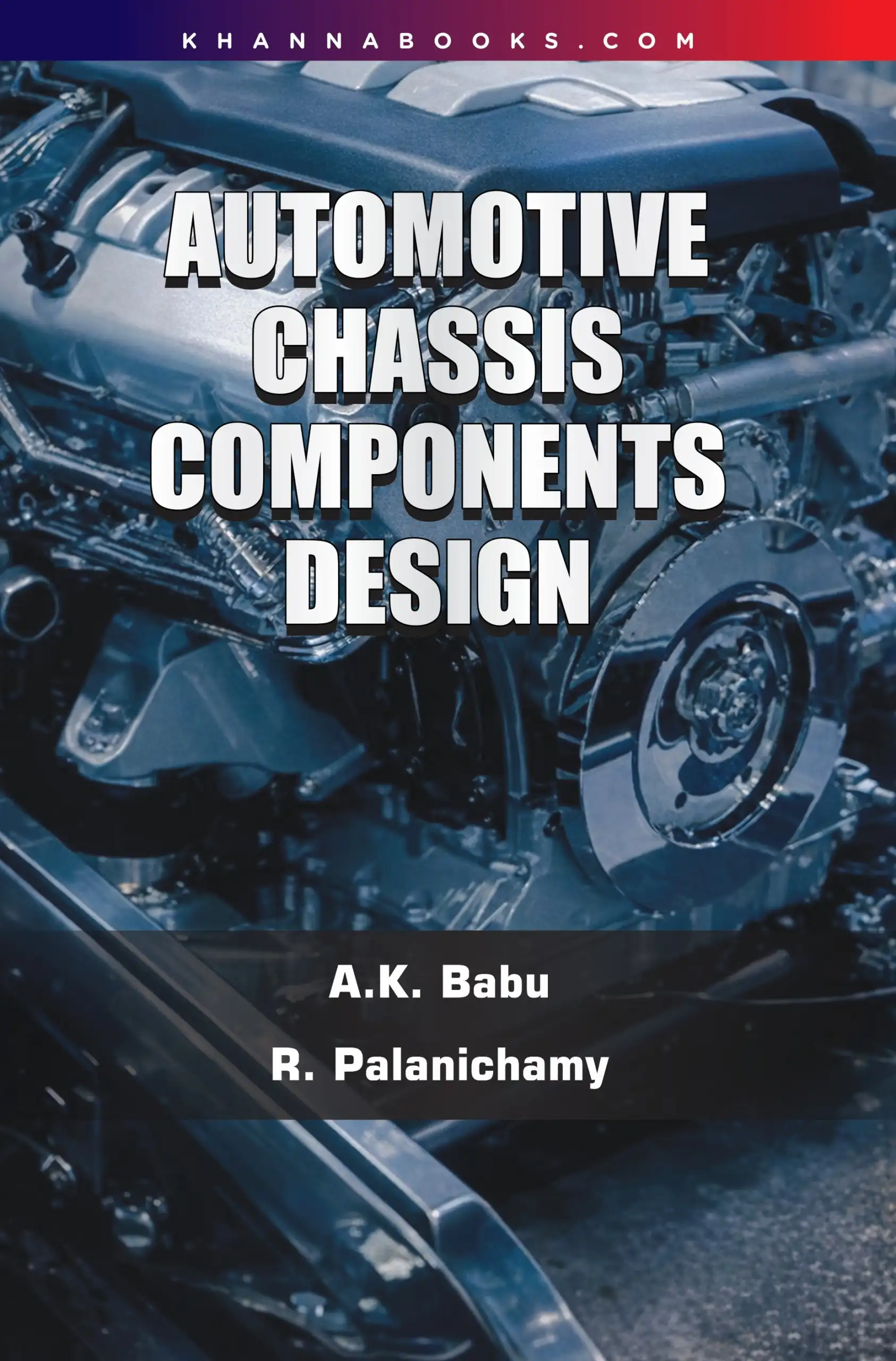
Automotive Chassis Components Design
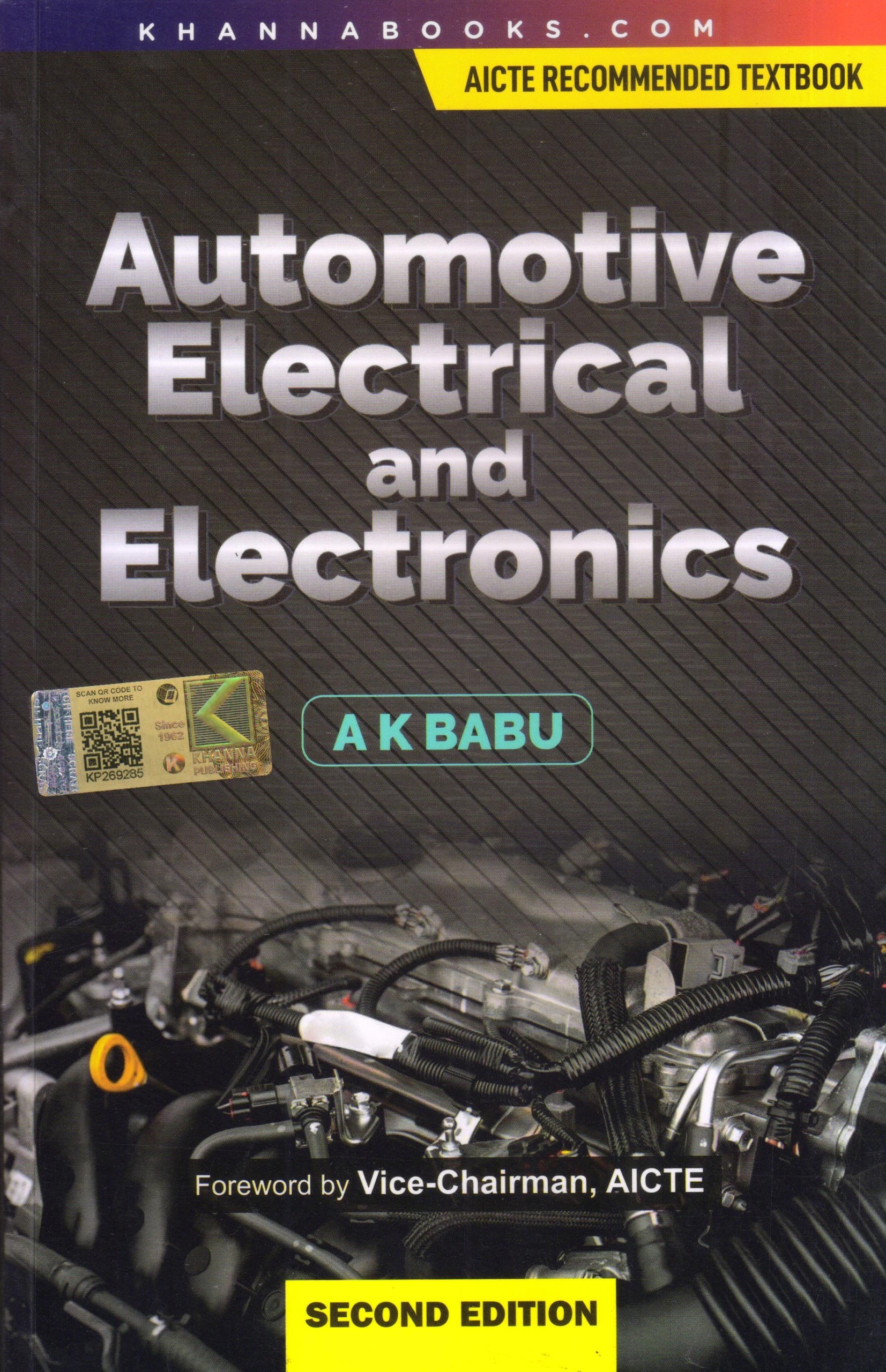
Automotive Chassis Components Design is a comprehensive academic and professional guide dedicated to the intricate engineering of a vehicle’s skeletal and foundational systems. Authored by A. K. Babu, the text serves as a vital bridge between theoretical mechanics and practical automotive design, focusing on the five basic components that define a modern automobile: the power plant, chassis, power train, body, and accessories. The book provides an in-depth exploration of the “running gear,” including the frame, suspension, steering, brakes, and wheels—systems that directly impact riding comfort, vehicle stability, and safety.
Designed for students of automotive and mechanical engineering, as well as practicing professionals in the automotive industry, the book maintains a rigorous academic tone while ensuring concepts are accessible through detailed diagrams and solved problems. Its core theme revolves around the functional integration of components to withstand dynamic and static loads, optimize maneuverability, and ensure passenger comfort. From the design of heavy-duty truck frames to the precise gear ratios of synchromesh gearboxes, this text provides the analytical tools required to design safe and efficient modern vehicles.
Salient Features:
• Comprehensive Frame Analysis: Detailed study of conventional, integral, and semi-integral frames, focusing on materials like carbon steel and their resistance to vertical bending and torsion.
• Transmission System Engineering: In-depth coverage of clutch requirements and gearbox types, including sliding mesh, constant mesh, and synchromesh systems for optimized torque delivery.
• Driveline Dynamics: Technical exploration of propeller shafts and universal joints, with a focus on torsional strength, whirling speeds, and critical vibration avoidance.
• Final Drive Mechanics: Expert analysis of axle ratios and gear types, such as hypoid and worm-and-wheel drives, to enhance vehicle stability and quiet operation.
• Axle and Load Design: Comprehensive design methodologies for front and rear axles, examining load distribution, stresses, and the mechanics of semi-floating vs. full-floating types.
• Advanced Suspension Systems: Practical insights into leaf and coil springs, including the design of torsion bars and methods to reduce inter-leaf friction for better handling.
• Steering Precision: Rigorous examination of steering geometry, comparing Ackermann and Davis mechanisms to ensure true rolling and minimal tire wear during maneuvers.
• Applied Problem Solving: Every chapter is reinforced with design problems, exercise questions, and multiple-choice questions to test both theoretical knowledge and practical application.











Reviews
There are no reviews yet.