
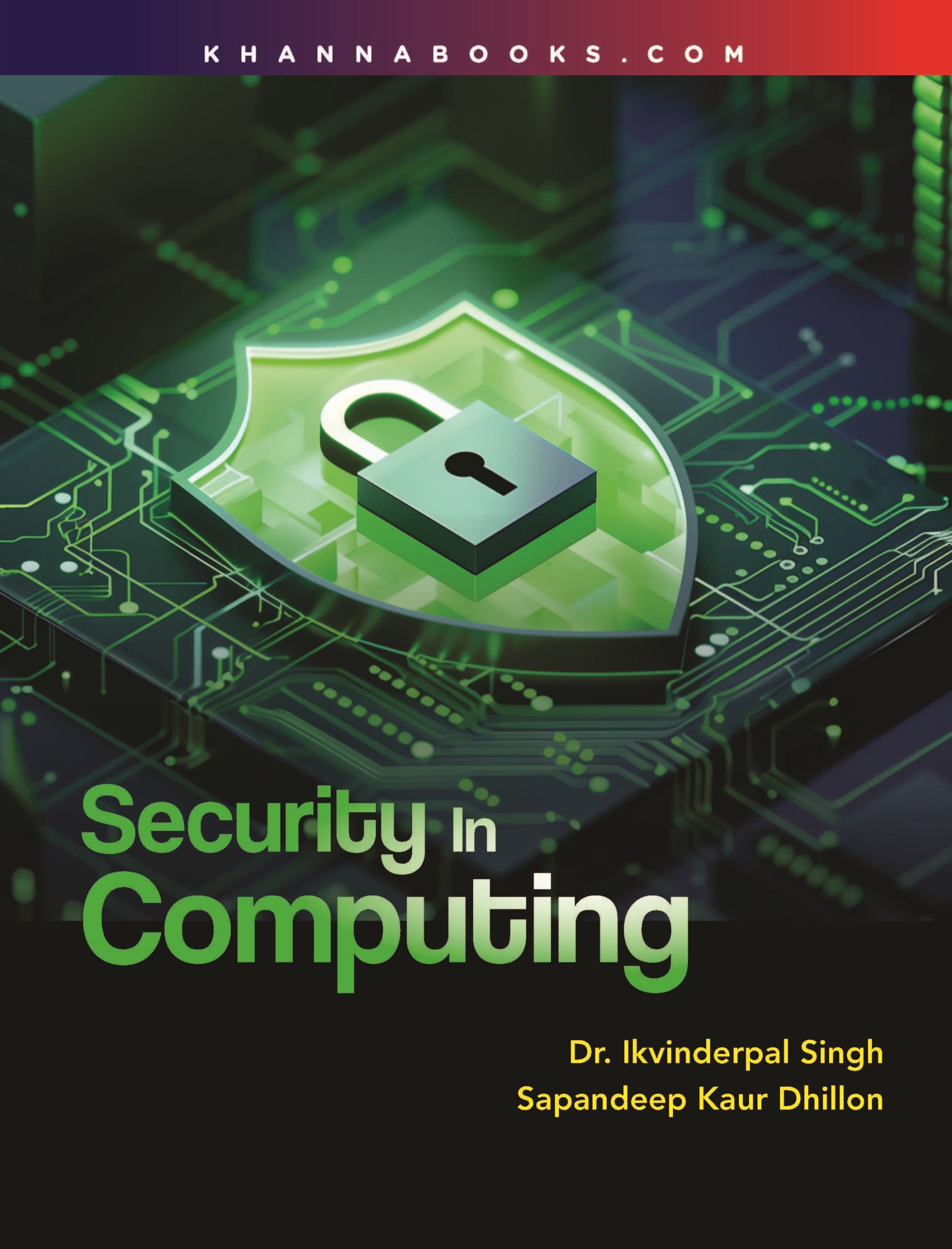
Security In Computing
 In Stock
Security In Computing
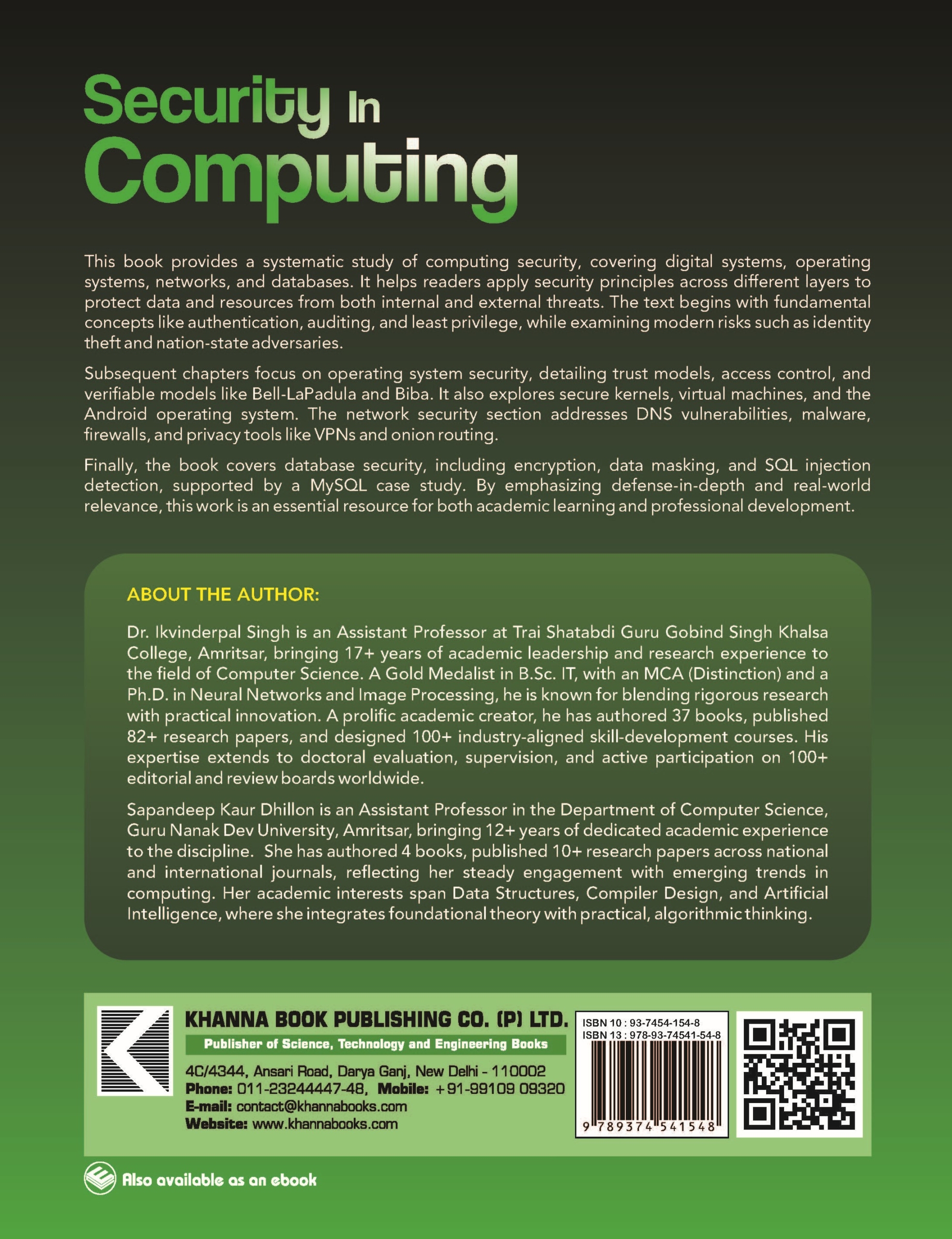
This book provides a systematic study of computing security, covering digital systems, operating systems, network, and databases, it helps readers apply security principles across different layers to protect data and resources from both internal and external threats. The text begins with fundamental concepts like authentication, auditing, and least privilege, while examining modern risks such as identity theft and nation-state adversaries.
Subsequent chapters focus on operating system security, detailing trust models, access control, and verifiable models like Bell-Lapadula and Biba. It also explores secure kernels, virtual machines, and the Android operation system. The network security section addresses DNS vulnerabilities, malware, firewalls, and privacy tools like VPNs and onion routing.
Finally, the book covers database security, including encryption, data masking, and SQL injection detection, supported by a MySQL case study. By emphasizing defense-in-depth and real-world relevance, this work is an essential resource for both academic learning and professional development.
- Digital systems security and privacy
- Risks in security and privacy
- Operating system security
- Verifiable security goals
- Network security
- Need for physical security
- Database security
- Security features in Databases
- Exercises
Customer Feedback
No reviews yet. Be the first to review this product!
Other Books by Author(s)
View All
Computer Fundamentals & Programming in C
English
SOFTWARE ENGINEERING A Progressive Approach
English
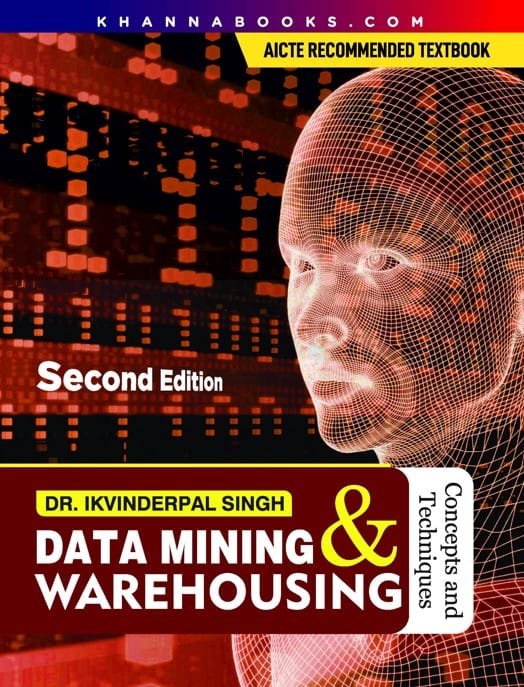
Data Mining & Warehousing
English
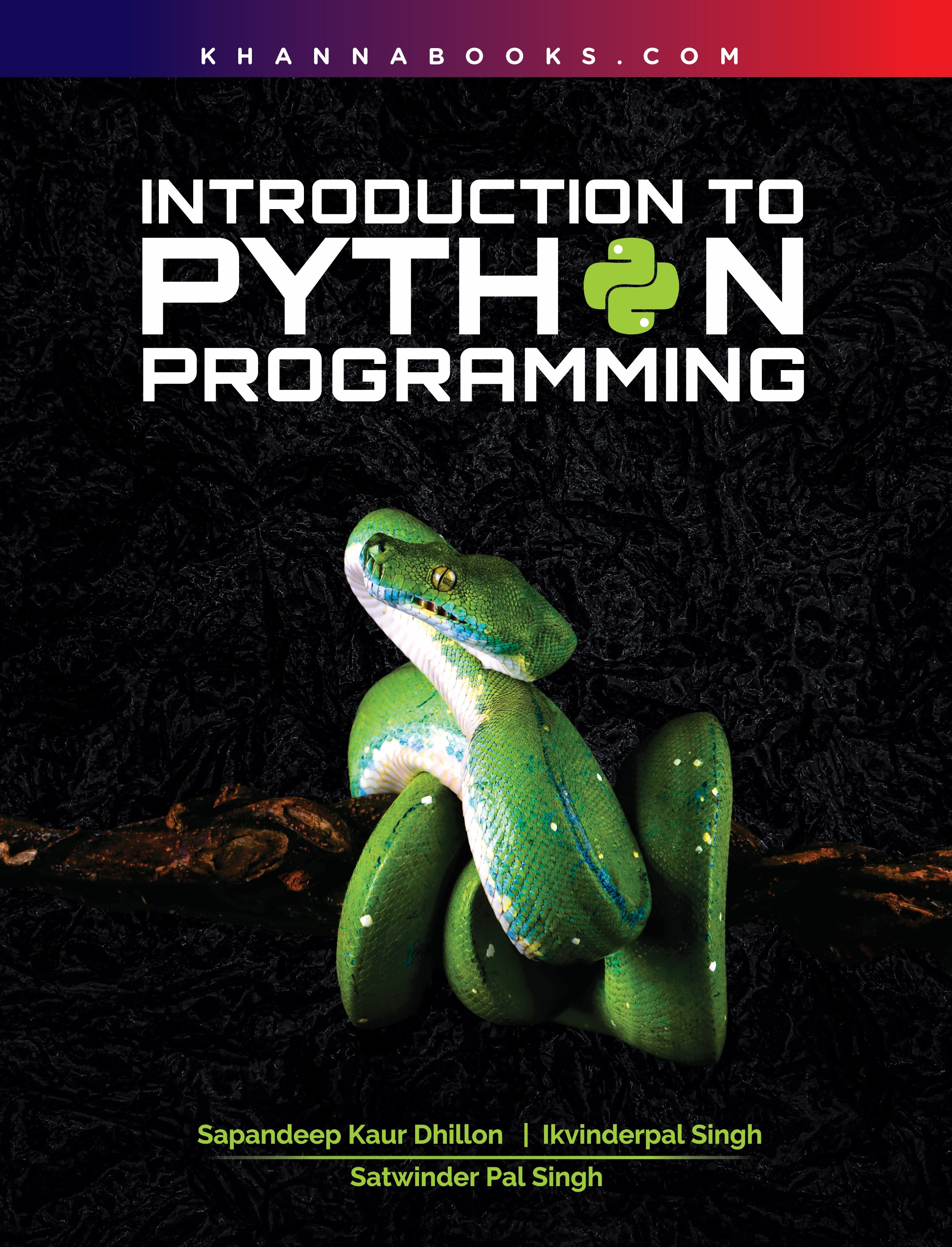
INTRODUCTION TO PYTHON PROGRAMMING
English
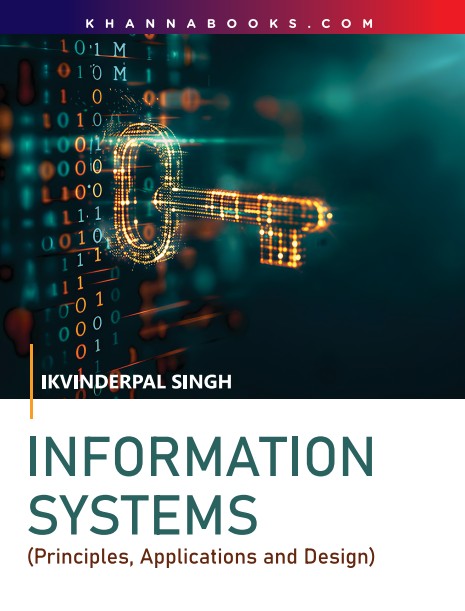
Information Systems
English
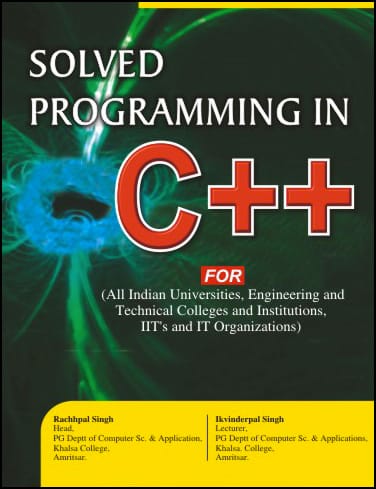
Solved Programming in C++
English
Operating Systems
English
Data Structures - An Algorithmic Approach
English
Advanced Computer Organization & Architecture
English
Advanced Software Engineering
English
Please Enter Your Details
Related Products
Browse All Books
Internet and Web Technology
English
Fundamentals of Information Technology
English
Theory of Automata and Formal Languages
English
Data Structures Using C
English
An Integrated Approach to Computer Networks
English
Discrete Mathematics and its Applications
English
Operating System Concepts
English
C++ Program Design
English
Internet and Web Technology
In Stock
Fundamentals of Information Technology
In Stock
Theory of Automata and Formal Languages
In Stock
Data Structures Using C
In Stock
An Integrated Approach to Computer Networks
In Stock
Discrete Mathematics and its Applications
In Stock
Operating System Concepts
In Stock
C++ Program Design
In Stock
Computer Fundamentals & Programming in C
In Stock
SOFTWARE ENGINEERING A Progressive Approach
In Stock
Data Mining & Warehousing
In Stock
INTRODUCTION TO PYTHON PROGRAMMING
In Stock
Information Systems
In Stock
Solved Programming in C++
In Stock
Operating Systems
In Stock
Data Structures - An Algorithmic Approach
In Stock
Advanced Computer Organization & Architecture
In Stock
Advanced Software Engineering
In Stock