
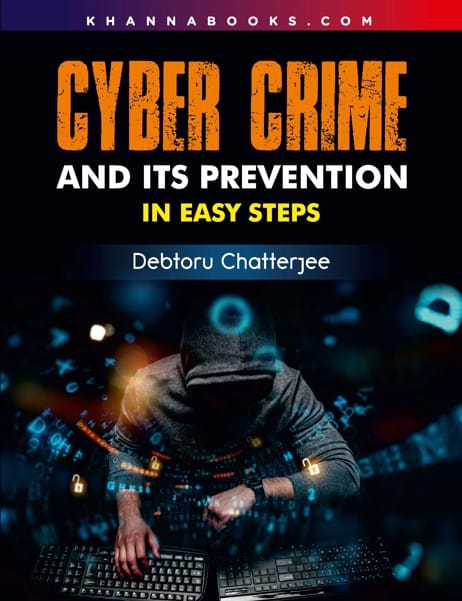
Cyber Crime and its Prevention in Easy Steps
 In Stock
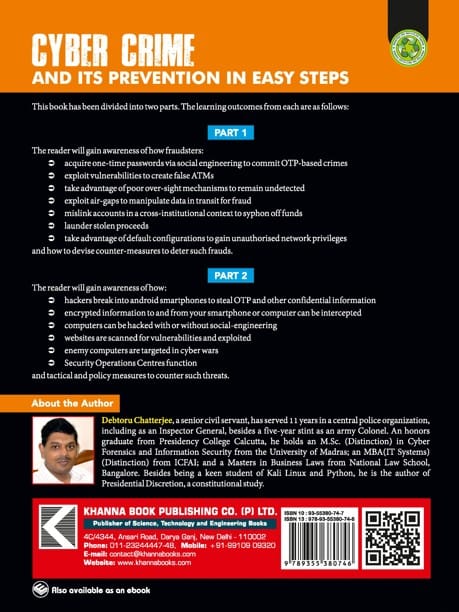
This book has been divided into two parts. The learning outcomes from each are as follows:
PART -1
The reader will gain awareness of how fraudsters:
- acquire one-time passwords via social engineering to commit OTP- based crimes. - exploit vulnerabilities to create false ATMs. - take advantage of poor over-sight mechanisms to remain undetected. - exploit air gaps to manipulate data in transit for fraud. - mislink accounts in a cross-institutional content to syphon off funds. - launder stolen proceeds. - take advantage of default configurations to gain unauthorized network privileges and how to devise counter-measures to deter such frauds.
PART -2
The Reader will gain awareness of how:
- hackers break into android smartphones to steal OTP and other confidential information - encrypted information to and from your smartphone or computer can be intercepted - the computer can be hacked with or without social-engineering - websites are scanned for vulnerabilities and exploited - enemy computers are targeted in cyber wars - Security Operations Centers function and tactical and policy measures to counter such threats.
- PART-l
- Introduction
- Hijacking
- the One-Time Password
- Confusing
- the Watchdog
- Mismatching
- of Customer Accounts
- Closing
- Air- Gaps
- Two-Factor
- Authentication of Micro ATM Devices
- Enforcing
- Accountability at choke-points
- Electronic Money
- Laundering
- Hardening
- Default Configurations
- Fraud
- in the Call Centre
- PART-lI
- Man
- in the middle attacks on Banking Devices
- Attack
- on Android Customer Phones
- Hacking
- Windows 10 Personal Computers
- The
- Anatomy of Cyber War
- Inside
- a Security Operations Centre
- Towards
- a National Cyber Security Policy
- Appendix-1
- Appendix-2
Customer Feedback
No reviews yet. Be the first to review this product!
Other Books by Author(s)
View All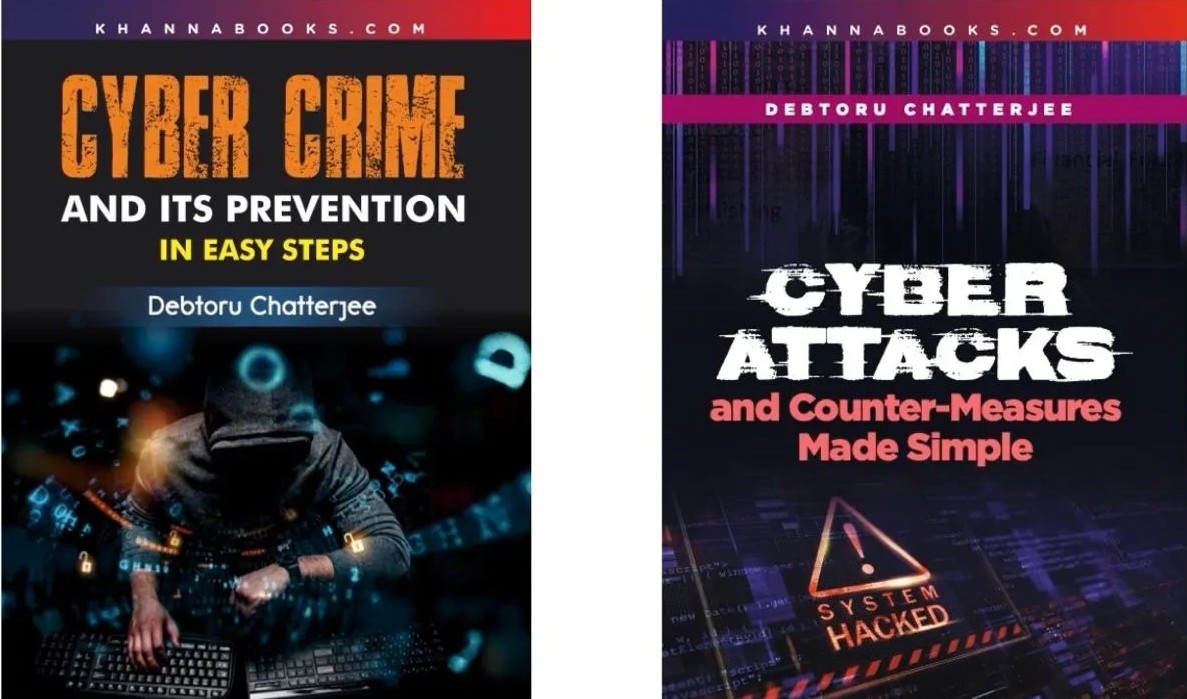
Set of Two Books (Cyber Crime & Cyber Attacks)
English
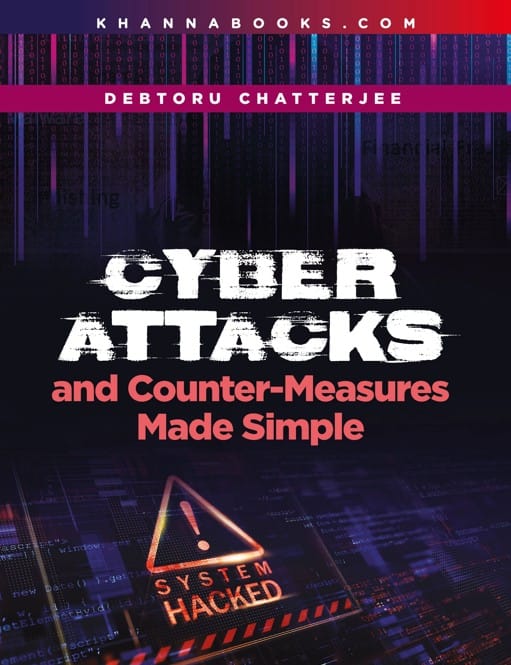
Cyber Attacks and Counter-Measures Made Simple
English
Related Products
Browse All Books
Internet and Web Technology
English
Fundamentals of Information Technology
English
Theory of Automata and Formal Languages
English
Data Structures Using C
English
An Integrated Approach to Computer Networks
English
Discrete Mathematics and its Applications
English
Operating System Concepts
English
C++ Program Design
English
Recently Viewed Products
View All

Learning Tally 9.0 (with Introduction to Tally.ERP 9)
Hindi
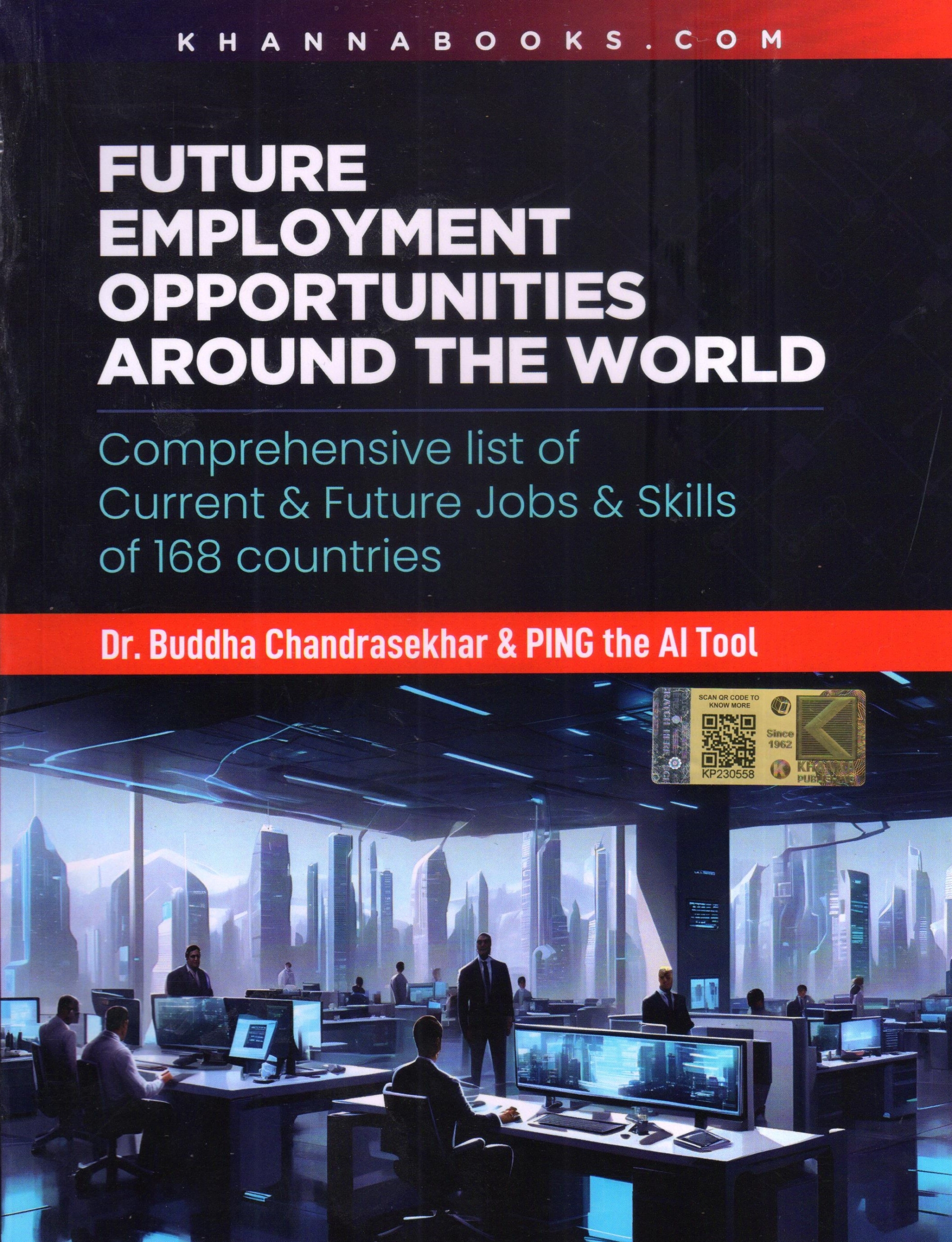
Future Employment Opportunities Around the World
English
Internet and Web Technology
In Stock
Fundamentals of Information Technology
In Stock
Theory of Automata and Formal Languages
In Stock
Data Structures Using C
In Stock
An Integrated Approach to Computer Networks
In Stock
Discrete Mathematics and its Applications
In Stock
Operating System Concepts
In Stock
C++ Program Design
In Stock 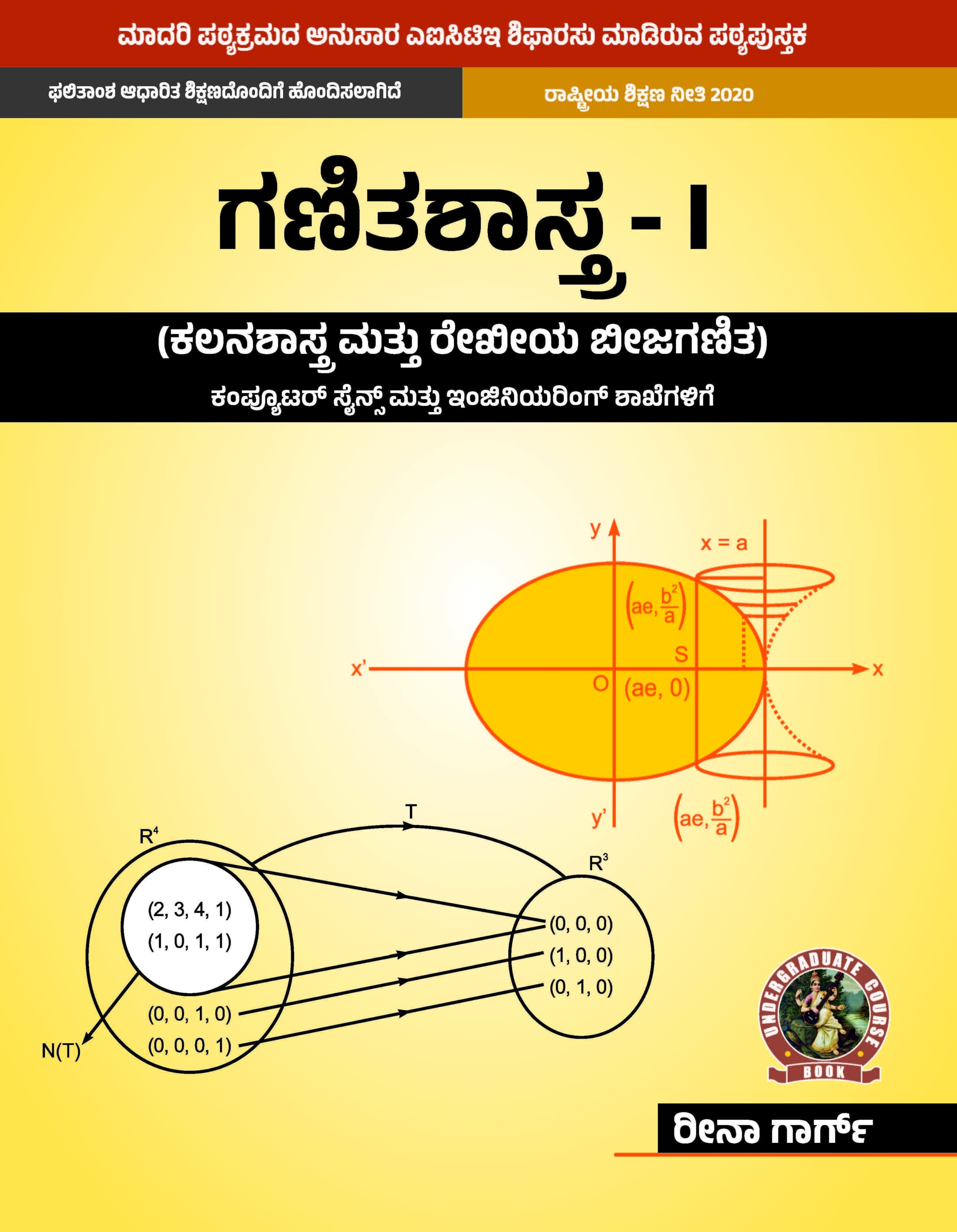
Mathematics-I (Calculus and Linear Algebra) For Computer Science Engineering Branches
In Stock
Physics (Introduction to Electromagnetic Theory) (with Lab Manual)
In Stock
Learning Tally 9.0 (with Introduction to Tally.ERP 9)
In Stock
Future Employment Opportunities Around the World
In Stock
Set of Two Books (Cyber Crime & Cyber Attacks)
In Stock
Cyber Attacks and Counter-Measures Made Simple
In Stock